
Table of contents
- 3 Pillars of Low-Cost, High-Quality Websites for Nigerian Ventures
- A 4-Step Framework to Secure Your Affordable, High-Performance Site
- Why Nigerian Startups Keep Making the Same Website Mistakes ?
- How Sizzle Digital Approaches Affordable Websites Differently
- Mobile-First Design: Why Your Nigerian Customers Demand It
- Stop Losing Customers to a Non-Converting Website
- Similar Blog post You might be interested in
- FAQs
My friend Tunde almost cried last year. He’d paid ₦120,000 to a “web guy” his cousin recommended, and what did he get? A janky site that looked like it was designed in 2008. The images loaded slower than Lagos traffic on a Monday morning. And don’t get me started on how it looked on mobile, everywhere just blur. “You know the funny part?” he told me, sipping zobo at our local joint. “The guy said my site was just an affordable website design for Nigerian startups.’
But affordable doesn’t mean rubbish, abeg!” and Tunde’s story isn’t unique.
According to recent data from Startup Nigeria, over 62% of new businesses say their biggest headache is finding quality freelance web designers Nigeria can actually trust without spending millions.
It’s like searching for a needle in a haystack, except the haystack is on fire, and someone’s telling you to pay extra for the fire extinguisher.
But here’s the thing I’ve learned after working with dozens of Lagos, Abuja, and Port Harcourt founders: budget web design quotes Lagos startups receive don’t have to scare you.
You don’t need to choose between “expensive but professional” and “cheap but embarrassing.”
Are there professional sites for new businesses in Nigeria? Yes, it exists. And no, you don’t need to sell a kidney to afford it.
This article walks you through everything I wish someone had told Tunde before he wasted his money. We’ll explore WordPress templates for startups, and affordable mobile-first design Naija entrepreneurs are using to dominate their markets
3 Pillars of Low-Cost, High-Quality Websites for Nigerian Ventures
When someone promises you a cheap professional site for your new business in Nigeria, your scam alert should ping immediately.
But the plot twist is: “cheap” and “quality” can coexist. You just need the right foundation. Building a Nigerian business website sales machine doesn’t always require a massive upfront investment if you prioritize functionality over fluff.
Think of it like building a house. You don’t start with marble floors and a swimming pool when what you really need is solid walls and a roof that doesn’t leak when the rains come. The same logic applies to your website.
After watching countless Nigerian startups blow their budgets on flashy features they didn’t need, I’ve identified three non-negotiable pillars. Miss any of these, and your “affordable” site becomes an expensive lesson in regret.
1. Strategic Scoping & Goal Setting
Before writing a single line of code, sit down with yourself and answer the hard questions.
What do you actually need this site to do? Are you selling products directly? Is this a digital brochure showing potential clients you’re legit? Do you want people to book consultations, download your pitch deck, or just find your phone number?
Different goals, different websites.
Define your primary objective first.
- Is it lead generation?
- Direct sales?
- Building an email list?
Once you know this, everything else becomes clearer.
Next, separate essentials from “nice-to-haves.” You absolutely need contact forms, clear service pages, and social proof. Do you need a custom animation that takes three seconds to load? Probably not.
Essential features: Contact forms, about page, services/products, social media links, basic SEO setup.
Nice-to-haves: Parallax scrolling, custom illustrations, live chat, membership areas.
Map out the user journey like you’re giving directions to someone who’s never been to your shop.
First click: they land on your homepage.
Second: they see what you offer.
Third: they read about you.
Fourth: they contact you.
Simple. Clear. Convert… you get the logic behind the process.
2. Smart Platform & Template Selection
Here’s where most Nigerian founders make their biggest mistake. They think a “professional website” means coding everything from scratch with a developer who charges by the hour.
My brother, no be so.
Some of the most stunning sites I’ve seen run on WordPress templates Nigerian startups can purchase for under ₦50,000. These themes come with professional designs already built.
You’re essentially buying a furnished apartment and just rearranging the furniture, not constructing the building from zero.
But isn’t that lazy? Who cares! Your customers don’t care if your site uses a template. They care if it loads fast, works on their phone, and helps them buy what you’re selling.
Platforms like Elementor (a drag-and-drop page builder) let you customize everything without touching code.
- Want to move that button up? Drag it.
- Feel like changing colors? Click it.
- Need to add a testimonial section? Drop it in.
This is exactly the kind of low-cost site builders Abuja SMEs should embrace. You get professional results without the “professional” price tag.
And please, jare, don’t start with expensive hosting. Choose a reliable, affordable plan from Nigerian providers like Whogohost or Truehost. You can always upgrade when your traffic explodes. Why pay for a mansion when you’re still living alone?
3. A “Mobile-First, Speed-Optimized” Development Approach
According to GSMA’s 2024 report on Nigeria, over 76% of internet users in our country access the web exclusively through mobile phones. Seventy-six percent!
If your site looks gorgeous on a 27-inch monitor but breaks on a smartphone, you’ve just locked out three-quarters of your potential customers.
That’s why affordable mobile-first design in Naija startups isn’t optional, it’s survival.
Mobile-first means designing for the small screen first. Everything should be readable without pinching and zooming. Buttons should be big enough for thumbs to tap.
Text should flow naturally without horizontal scrolling. This is the foundation of how to build a high-converting business website in Nigeria that keeps users engaged. Then there’s speed.
Google says 53% of mobile users abandon sites that take longer than three seconds to load. In Nigeria, with our network challenges? Make that number even higher.
To get the best site experience: Optimize your images, compress them before uploading, use fewer plugins, choose lightweight themes and implement lazy loading so images only load when someone scrolls to them.
And here’s the magic: when you build with speed in mind, you’re automatically including SEO basics in budget redesigns. Google loves fast sites and higher rankings mean more free traffic.
A 4-Step Framework to Secure Your Affordable, High-Performance Site
Knowing what you want is one thing. Actually getting it built? That’s where the real adventure begins.
I’ve seen Nigerian founders go through every emotion possible during the website building process. Excitement (“Yes, finally!”). Confusion (“Wait, why does it look like that?”). Frustration (“But I told you what I wanted!”). And sometimes, pure despair (“I should have just stuck to Instagram”).
But it doesn’t have to be this way. Follow these four steps, and you’ll navigate the process like someone who’s done it before.
Step 1: Finding & Vetting Reliable Talent
Where do you even start looking? Google web designers in Lagos and you’ll get millions of results. Most of them are either too expensive or too sketchy.
Here’s where the smart founders look:
- Local tech communities
- Join Nigeria WordPress groups on Facebook
- Check LinkedIn for developers with recommendations from people you know
- Attend tech meetups in your city (yes, they still happen).
When you find candidates, don’t just look at their portfolio. Ask specific questions:
- “Show me a site you built that loads fast. How did you achieve that?”
- “What’s your process for making sites work well on mobile?”
- “Can I speak with two clients you’ve worked with in the last six months?”
The beauty of hiring quality freelance web designers Nigeria has to offer? You’re paying for the expert, not the agency overhead. That ₦250,000 you pay goes directly to the person building your site. They’re invested in your success because their reputation depends on it.
Step 2: Deciphering & Comparing Proposals
You’ve found three promising developers. They’ve sent you quotes. Now what?
Ah ah, they all look different. One is ₦150,000, another is ₦400,000 and the third says “price depends on requirements.” How do you choose?
First, understand what’s included. A proper quote should specify:
- Number of pages
- Design rounds (how many times you can request changes)
- Content population (who writes the text and adds the images)
- Basic SEO setup
- Training on how to update the site
- Post-launch support period
If someone sends you a one-line quote saying “Website design: ₦200,000” with no breakdown, run. That’s like buying a car without knowing if it comes with an engine.
Red flags to watch for:
- Vague timelines (“It will be ready soon”)
- No discovery phase (they should want to understand your business first)
- Unwillingness to discuss post-launch support
- Portfolio that looks dated or inconsistent
The right budget web design quotes Lagos startups should receive are transparent. You should know exactly what you’re paying for and when you’ll get it.
Step 3: Managing the Project for Success
Now the real work begins, and this is where relationships are tested.
Designate one person from your team to handle all communication. If everyone’s sending feedback, your designer will get confused.
Your developer will receive conflicting instructions. Your site will look like a committee designed it (spoiler: committees design terrible things).
When you review design drafts, be specific. “I don’t like the colors” isn’t helpful. “Can we make the primary color match our brand green, and use a lighter shade for the background?” That’s helpful.
Use tools like Loom to record your feedback. Open the design on your screen, point at what you want changed, and explain why. It takes five minutes but saves hours of back-and-forth emails.
And here’s the hard part: stick to the scope. You’ll be tempted to add features. “Hey, while you’re at it, can we also add a blog? And a members area? And can you make the logo spin?”
Every addition costs time and money. Keep a list of “phase two” ideas. Finish the current project first. Then consider upgrades.
Step 4: Launching with a Built-in SEO Foundation
The site is live, you’re excited, you send the link to your friends and family and they say it looks amazing.
Then… Nothing! No one’s finding it on Google.
This is where most startups fail. They build a beautiful house in the middle of nowhere with no road signs pointing to it.
Before you pop the champagne, ensure these basics are handled:
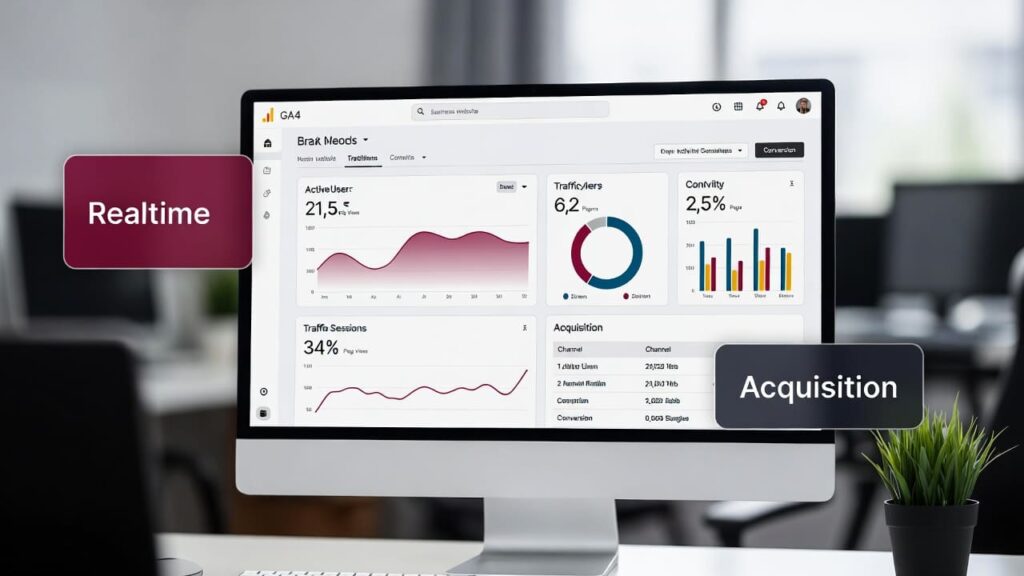
Google Search Console set up: This tells you if Google can even find your site.
Google Analytics installed: This shows you who’s visiting and what they’re doing.
Meta descriptions written: Those are the snippets that appear under your link in search results.
Header tags structured properly: H1 for titles, H2 for sections, H3 for subsections.
The smartest entry-level site costs Nigerian ventures pay should include this foundational SEO work. It’s not an add-on but part of the package.
Budget Breakdown: Freelancer vs. Agency
| Feature / Cost Factor | Quality Freelance Web Designer | Full-Service Digital Agency |
| Typical Project Cost (₦) | ₦150,000 – ₦400,000 | ₦800,000 – ₦2,500,000+ |
| Personalization & Attention | High (Direct access to the builder) | Medium (Access via Account Manager) |
| Turnaround Time | Faster (2-4 weeks) | Slower (4-8+ weeks) |
| Ideal For | Startups, Solopreneurs, SMEs | Large Corporations, Enterprises |
| Communication Style | WhatsApp, direct calls | Formal meetings, email chains |
| Flexibility for Changes | High (you’re talking to the decision-maker) | Low (changes must go through channels) |
| Post-Launch Support | Often included or affordable hourly rates | Usually billed as separate contracts |
| Sizzle Digital’s Position | Professional quality & agile speed | We offer this scale through strategic partnerships or contact us for more info |
Why Nigerian Startups Keep Making the Same Website Mistakes?
Na wa o. You’d think after seeing their friends struggle, more founders would learn. But every month, I meet someone who’s just paid for a site they can’t use, can’t update, and can’t find on Google.
The problem isn’t lack of options because Nigeria has thousands of web professionals. The problem is lack of clarity.
Founders don’t know what questions to ask. They don’t know what affordable website design for Nigerian startups should actually include. They see a flashy portfolio and assume the rest will work out.
When you invest in quality WordPress templates and experienced developers, you’re buying more than code.
You’re buying peace of mind, a site that works on every device, the ability to update your own content without paying someone every time and you’re buying a foundation for SEO that will save you thousands in advertising later.
According to Google’s Economic Impact Report for Nigeria (2025) , businesses with properly optimized websites generate 47% more leads than those relying solely on social media. Forty-seven percent!
That’s not magic but math.
How Sizzle Digital Approaches Affordable Websites Differently
When we say budget web design quotes Lagos startups can actually trust, we mean it. Our process looks like this:
First, we actually listen. Before we talk about templates or features, we ask about your business. Who are your customers? What keeps you up at night? What does success look like in six months? This transparency is what you should look for when you choose web design agencies in Nigeria to handle your project.
Second, we recommend solutions, not just services. Sometimes you don’t need a fancy new website. Sometimes you need better content on your existing one and you may need SEO more than design. We’ll tell you the truth, even if it means a smaller project for us.
Third, we build for your independence. You’ll leave with a site you can update yourself. No locking you into maintenance contracts you don’t need. No hidden fees for “training” that should be included.
Our goal is to build it once, build it right, and set you free.
Mobile-First Design: Why Your Nigerian Customers Demand It
Before we proceed further, what exactly is mobile-first design?
Good question. Mobile-first means you design for the smallest screen first, then scale up. You’re not squeezing a desktop site onto a phone and hoping for the best. You’re building specifically for how Nigerians actually browse, on the go, with one hand, often on spotty networks.
When was the last time you sat at a desk to browse the web? For most of us, the phone is our primary computer. We’re checking sites during commute, while waiting for akara in the morning, during lunch breaks, while pretending to listen at meetings (we’ve all done it).
But the problem occurring all the time with mobile optimized design is that: most designs are not even worth calling “mobile design” in the first place.
Here’s what I mean:
I visit so-called “professional” Nigerian business sites and immediately spot the problem: someone designed them on a massive monitor, using a mouse, with fiber optic speed, and never once tested on an actual phone in real conditions.
The result? A disaster.
The text requires eagle eyes and double-tap zooming, the buttons looked the size of grain particles that you can’t hit without zooming first, while the menus cascade into oblivion.
And here’s the thing about affordable website design for Nigerian startups: being affordable doesn’t mean skipping mobile optimization. In fact, if your “affordable” site isn’t mobile-friendly, it’s not affordable at all, it’s just cheap, and you’ll pay for it in lost customers.
What Mobile-First Design Actually Looks Like
What does mobile-first design actually involve?
First, readable text without zooming. That means minimum 16px font size. Anything smaller forces users to pinch and zoom, and Nigerians won’t bother. We’ve got places to be.
Second, buttons sized for human thumbs, at least 44×44 pixels. Think about how you hold your phone. Your thumb has to reach across the screen and tiny buttons are torture devices.
Third, simplified menus. That fancy mega-menu with twelve dropdowns? Trash it on mobile. Use hamburger menus or simple stacked navigation. Give people options, not confusion. This is a core part of achieving a mobile responsive design in Nigeria that actually works.
Fourth, forms that respect phone users. Typing on phones is annoying. Ask for only essential information. Name, email, message. That’s it. You can get more details after they’ve converted. If you want to take it a step further, consider 5 ways to use AI for lead generation in Nigeria to automate follow-ups without manual data entry.
Fifth, compressed images. This is huge in Nigeria where data is expensive and networks unpredictable. Compress everything and use modern formats like WebP. Your beautiful high-res photos mean nothing if they never load.
Smart entry-level site costs Nigerian ventures should include all these considerations. If your quote doesn’t mention mobile optimization, ask questions.
If your designer says “it will look fine on phones” without demonstrating how, run.
Speed Matters More Than You Think
Now let’s talk about speed, because mobile-first and speed-optimized go together like eba and egusi.
Google’s research shows something terrifying: as page load time increases from one second to five seconds, the probability of someone bouncing (leaving immediately) increases by 90%.
If your site takes five seconds to load, nine out of ten visitors might never see your content.
They’re gone before your beautiful design even appears. All that work, all that investment, ends up invisible because you didn’t prioritize speed.
This is why SEO basics in budget redesigns absolutely must include speed optimization. It’s not optional and neither is It “nice to have.” It’s fundamental to whether anyone finds or stays on your site.
What does speed optimization look like in practice?
Here’s it: Compress your images before uploading. Tools like TinyPNG can reduce file sizes by 70% without visible quality loss. Use lazy loading so images only load when someone scrolls to them.
Minify your code, remove unnecessary characters, spaces, comments and choose a host with servers in Nigeria or nearby for faster response times. Finally, use caching so returning visitors load your site instantly.
The Mobile-First Mindset Shift
Here’s what I want you to understand: mobile-first isn’t just technical. It’s philosophical.
It’s acknowledging that your customer’s experience matters more than your design preferences. It’s accepting that how someone interacts with your brand on a bumpy bus in Lagos determines whether they become a customer.
It’s also understanding that every second of load time costs you money.
When someone promises you a cheap professional site for your new business, ask them to show it to you on their phone. Hand them your phone and watch them navigate.
If they hesitate, if they make excuses, if the site stutters and breaks, walk away.
You deserve better and your customers deserve better.
That’s it exactly. Mobile-first design respects your customer’s reality. It meets them where they are, on their phone, in traffic, with limited data, short on patience, and gives them exactly what they need without friction.
Stop Losing Customers to a Non-Converting Website
Think about your best employee. The one who shows up early, works through lunch, and never complains. The one who represents your brand perfectly to every customer.
That’s what your website should be.
When you invest in affordable website design for Nigerian startups done right, you’re hiring a 24/7 salesperson. One who never sleeps, never takes breaks, and never has a bad day. One who can talk to a thousand customers simultaneously. One who costs a fraction of what you’d pay a human.
But here’s the catch: a bad website is worse than no website. It actively repels customers. It makes you look amateur and it wastes the traffic you’ve worked so hard to generate.
The founders who win in Nigeria’s competitive market understand this. They don’t see a website as an expense. They see it as their most valuable asset. They invest in professional sites for new businesses as Nigeria standards demand, not because someone told them to, but because they’ve seen the returns.
Similar Blog post You might be interested in
How to Choose the Right Web Design Agency in Nigeria
If you’re like most Nigerian business owners, you’ll Google “top web design companies in Nigeria.” That’s not wrong. But if you stop there?… Read more
Professional Website Design in Nigeria (Complete 2026 Guide)
lot of Nigerian business owners hear “professional website” and assume it just means something that looks fine with a beautiful exterior, and … Read more
Why Your Business Needs a Conversion-Optimized Website in Nigeria
Look, if you’re still thinking a website is just “online presence,” we need to talk because that mindset is costing you real money, why?… Read more
FAQs
1. How much should a quality website cost for a Nigerian startup in 2026?
For a professional, functional website, expect to invest between ₦150,000 and ₦500,000 depending on complexity. A basic 5-page brochure site with contact forms and mobile optimization typically runs ₦150,000-₦250,000. If you need e-commerce functionality, booking systems, or custom features, budget ₦300,000-₦500,000. Anything significantly cheaper likely cuts corners on mobile optimization, SEO, or your ability to update content yourself. Remember: cheap often becomes expensive when you have to rebuild in six months.
Absolutely. Some of Nigeria’s most successful startups run on customized WordPress templates. The key is choosing a lightweight, well-coded theme and customizing it properly. Templates save you thousands in design costs while still delivering professional results. What matters isn’t whether your site uses a template, it’s whether it loads fast, works on mobile, and clearly communicates your value. Your customers never see your template. They only see your brand.
Freelancers offer direct access to the person building your site, often at lower rates. You’ll typically communicate via WhatsApp, get faster responses, and build a closer working relationship. Agencies provide team-based support with account managers, project managers, and specialists. You’ll get more structured processes but slower communication and higher prices. For most Nigerian startups, a quality freelancer or Web design agency like Sizzle Digital offers the best balance: professional processes without the agency markup.
A properly built website typically takes 2-4 weeks from start to finish. Week one focuses on planning and content gathering. Week two covers design and initial development. Week three handles revisions and refinement. Week four is for testing, SEO setup, and launch. Anyone promising completion in 2-3 days is either using a template with minimal customization (fine) or cutting essential corners (problematic). Rushed websites almost always have issues with mobile responsiveness, loading speed, or SEO foundations.
Yes, and this is where many projects stall. Your web designer builds the container, but you provide the content, text, images, branding. The more prepared you are, the faster your project moves and the better the result. Gather your logo, brand colors, professional photos, and write clear copy describing your services before the project starts. Some designers offer content creation as an add-on service, but this increases costs and timelines.
Mobile-first means designing for smartphones before considering larger screens. In Nigeria, where over 76% of internet users primarily access the web via mobile, this approach is essential. Mobile-first sites have readable text without zooming, buttons sized for thumbs, and layouts that flow naturally on small screens. If your site isn’t mobile-optimized, you’re invisible to most potential customers. Period.
Start with proper SEO foundations during development. This includes descriptive page titles, meta descriptions, proper header structure (H1, H2, H3), image alt text, and fast loading speeds. After launch, submit your site to Google Search Console and set up Google Analytics. Create helpful content regularly. Build backlinks from reputable Nigerian sites. SEO is ongoing work, but proper foundations make everything easier.
A proper proposal includes: clear scope of work (number of pages, features), design process (number of revision rounds), timeline with milestones, content requirements (what you provide vs. what they provide), training on how to update your site, post-launch support period, and payment terms. If any of these are missing, ask questions before signing. Vague proposals lead to unpleasant surprises.
You absolutely should be able to. A professional build includes training on how to update text, images, and basic content using your content management system. You shouldn’t need to pay a developer every time you want to change a phone number or add a blog post. If your designer locks you out of your own site or charges for every tiny update, find someone else.
Design focuses on how your site looks and feels, layout, colors, typography, user experience. Development focuses on how it works, code, functionality, databases, integrations. Many professionals handle both, but larger projects may involve separate designers and developers. For most Nigerian startups, you need someone skilled in both: a designer who makes it beautiful and a developer who makes it work.
Not necessarily. If you’re a service business, you likely don’t need e-commerce at all. If you sell products, consider starting with a simple catalog and directing customers to contact you or use payment links. Full e-commerce with cart, checkout, and inventory management adds complexity and cost. You can always add it later when you have consistent traffic and sales.
Ask for live website URLs, not just screenshots. Test those sites yourself on your phone. Check their loading speed using Google’s PageSpeed Insights. Read client testimonials on LinkedIn or Google Business Profile. Contact past clients directly and ask: Did they deliver on time? Was communication clear? Are you happy with the result? Would you work with them again? Real feedback beats flashy portfolios every time.
WordPress remains the most flexible and popular choice, powering over 40% of all websites globally. It offers thousands of templates, endless functionality through plugins, and you own everything completely. Alternatives like Squarespace or Wix are easier but less flexible and more expensive long-term. For most Nigerian startups wanting affordable, professional, scalable websites, WordPress with good hosting is the answer.
Start with secure hosting that includes regular backups and security monitoring. Use strong passwords (not “password123” or your business name). Keep WordPress, themes, and plugins updated. Install a security plugin like Wordfence. Limit login attempts to prevent brute force attacks. Regular backups mean even if something happens, you can restore quickly. Most hosting companies offer automated backup services for minimal cost.
A proper website generates leads 24/7 without overtime pay. One Port Harcourt logistics company generated ₦4 million in directly attributable revenue within eight months of launching their ₦350,000 site. A Lagos consultant booked ₦600,000 in client work within three months from organic search alone. Unlike paid ads that stop when you stop paying, your website keeps working. The ROI compounds over years, not months.
Nigerian designers understand our local market, internet challenges, and customer behavior. They know that mobile data is expensive, that WhatsApp integration matters, that payment preferences differ. They’re available in our time zones and understand our communication styles. For Nigerian businesses targeting Nigerian customers, local expertise usually delivers better results than outsourcing abroad.
Professional designers include revision rounds in their process. You’ll typically get 2-3 rounds of feedback and adjustments. Clear communication helps, specific feedback (“make the header green” not “I don’t like it”) gets better results faster. If you’re fundamentally unhappy, discuss it early. Most issues are fixable when caught early. If you’re still unhappy at the end, don’t launch until you’re satisfied. A good designer wants you happy with the final product.
You’ll need access to your domain registration, hosting account, and website files. Your current designer should provide login details and cooperate with transfer. If they resist, that’s a red flag, you should always own your domain and hosting. Before transferring, backup everything. Your new designer can help migrate content to their preferred platform. Be prepared for some content to need rebuilding depending on platforms used.
Maintenance typically includes: security updates for WordPress, themes, and plugins; regular backups; uptime monitoring; performance optimization; and occasional content updates. Some designers offer monthly maintenance packages; others provide training so you handle basics yourself. For most startups, handling your own basic updates with professional help for security and major changes offers the best balance of cost and control.
Consider redesign when: your site isn’t mobile-responsive; it loads slowly; you can’t easily update content; it doesn’t reflect your current brand; or it’s not generating leads. If your site was built more than 3-4 years ago on outdated technology, redesign likely makes sense. But sometimes a refresh, updated content, better images, SEO improvements, delivers better value than full redesign. Get an expert opinion before deciding.